
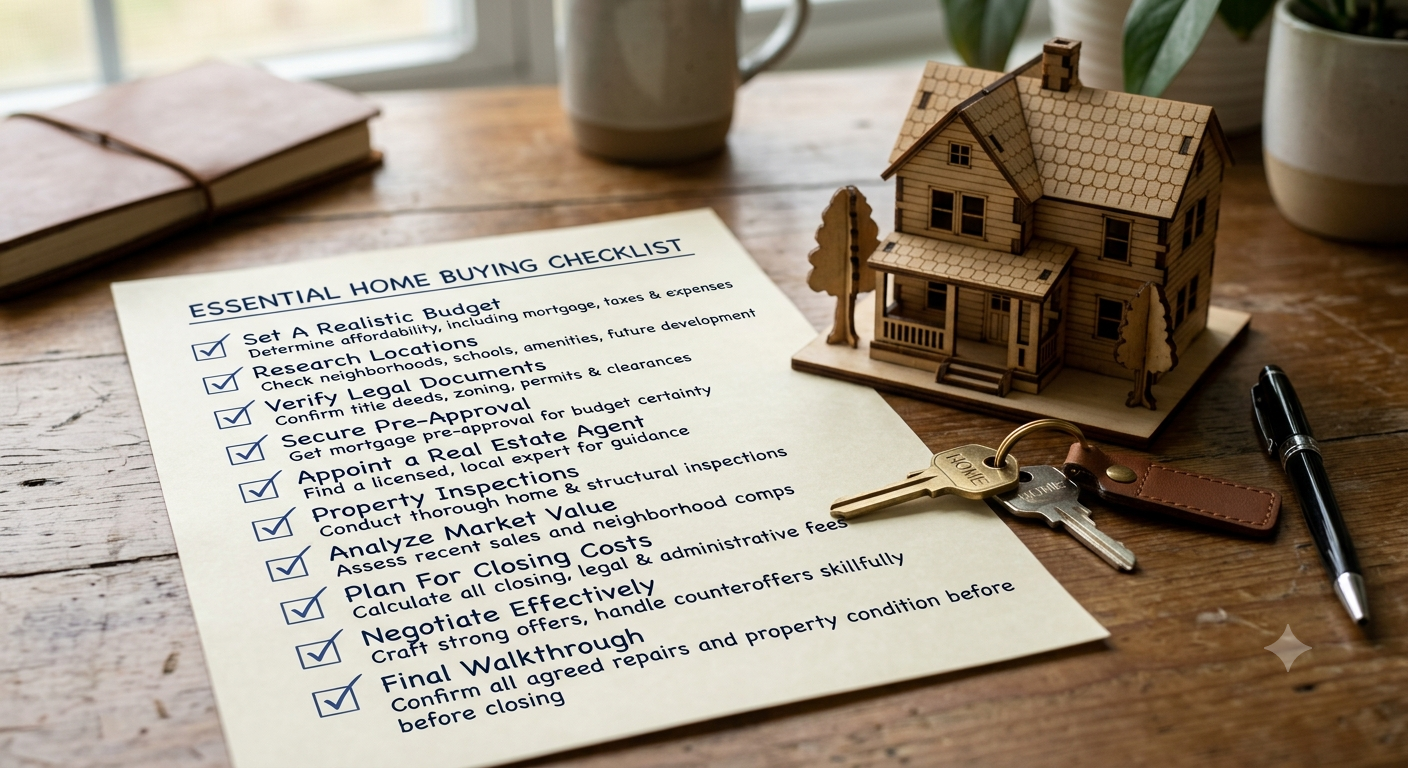
Whether you are a first-time homebuyer, a seasoned investor, or a real estate professional looking to sharpen your game, the industry’s complexity can be overwhelming. Amidst the mountains of data, endless listings, and conflicting advice, a few core principles stand the test of time. Here are ten quick, actionable tips that cut through the noise and deliver real value.
1. Location Is Still the King
It is the oldest cliché in real estate for a reason: location is everything. You can change almost everything about a property except where it sits. A house in a prime location will almost always outperform a more impressive house in a less desirable area over the long term.
What to look for:
School Districts: Even if you don’t have children, buying in a good school district is a smart investment. Homes in top-rated school zones tend to hold their value better and appreciate faster.
Amenities: Proximity to public transport, shopping, parks, and medical facilities adds significant value and makes a property easier to sell.
Future Development: Research upcoming infrastructure projects, new business parks, or planned community developments. These can dramatically boost property values.
Neighborhood Trajectory: Is the area improving or declining? Look at the quality of surrounding homes, the presence of vacant lots, and the overall feel of the community.
Quick Takeaway: Buy the worst house on the best street, not the best house on the worst street.
2. Understand Your True Financial Position
Before you fall in love with a property, you must understand your financial reality. This is one of the most critical steps that separates successful buyers from those who end up stressed and overstretched.
What to do:
Get Pre-Approved, Not Pre-Qualified: A pre-qualification is an estimate; a pre-approval is a verified commitment from a lender. Sellers take pre-approved buyers far more seriously. A pre-approval letter also clarifies your budget, so you only look at homes you can genuinely afford.
Factor in All Costs: The purchase price is just the beginning. You must account for closing costs, property taxes, homeowner’s insurance, potential HOA fees, and ongoing maintenance. A general rule is to budget 1-3% of the home’s value annually for maintenance and repairs.
Check Your Credit: Your credit score directly impacts your mortgage interest rate. A higher score can save you tens of thousands of dollars over the life of a loan. Check your credit report for errors and work to improve your score before you start house hunting.
Quick Takeaway: Your budget isn’t just about the down payment and monthly mortgage; it’s about the total cost of ownership.
3. Don’t Skip the Home Inspection
In a hot market, it can be tempting to waive the home inspection to make your offer more competitive. This is one of the costliest mistakes you can make. A home inspection is your safeguard against unexpected and expensive problems.
What to know:
The Professional View: A home inspector is trained to identify issues you might miss. They will check the foundation, roof, electrical systems, plumbing, HVAC, and more. Their report gives you the power to negotiate repairs or walk away if the problems are too severe.
Use It to Negotiate: The inspection isn’t just a “pass/fail” test; it’s a negotiation tool. If the inspection reveals significant issues, you can ask the seller to make repairs, lower the price, or offer a credit at closing to cover the costs.
Specialty Inspections: Depending on the property, you might need additional tests. Consider radon testing, termite/pest inspections, or sewer scope inspections, especially for older homes.
Quick Takeaway: An inspection is a small upfront investment that can save you from catastrophic financial surprises down the road. Never waive it unless you are prepared for unlimited risk.
4. Know When to Walk Away
Emotions run high in real estate transactions. It’s easy to fall in love with a property and become determined to get it at any cost. However, the ability to walk away is one of the most powerful tools you have.
When to walk:
Unreasonable Seller: If a seller refuses to negotiate or is difficult to work with, it may be a sign of more problems to come.
Major Red Flags: If a home inspection reveals severe structural issues, mold, or other expensive problems that the seller won’t address, it’s often wiser to cut your losses.
Budget Blowouts: If bidding drives the price well beyond what you can comfortably afford or beyond the property’s appraised value, you could be setting yourself up for negative equity.
Quick Takeaway: There will always be another property. Don’t let fear or ego trap you into a bad deal.
5. Build a Strong Professional Team
Real estate is not a solo sport. The most successful buyers, sellers, and investors surround themselves with a team of trusted professionals who bring expertise and guidance to the table.
Your core team should include:
A Real Estate Agent: Choose an agent who knows your target market intimately, not just any agent. They should be a good communicator and willing to answer your questions thoroughly. Look for an agent who acts as a consultant, not just a salesperson.
A Mortgage Broker or Lender: A good broker can shop around for the best rates and terms, and guide you through the pre-approval process.
A Real Estate Attorney: In many states, an attorney is required. Even where they aren’t, having one can provide invaluable legal protection during contract negotiations.
A Home Inspector: Your inspector should be thorough, independent, and not recommended by the agent (to avoid conflicts of interest).
Quick Takeaway: Invest time in finding the right professionals. A good team will pay for itself many times over.
6. Marketing Is Not About Selling—It’s About Storytelling
For real estate professionals, marketing is often misunderstood as a simple act of advertising a listing. In truth, the most effective real estate marketing sells a lifestyle, not just bricks and mortar.
What to do:
Focus on Benefits, Not Features: Don’t just say “granite countertops.” Say “a kitchen perfect for entertaining guests and hosting family gatherings.” Connect the property’s features to the buyer’s emotional desires.
Invest in Visual Quality: High-quality photography, virtual tours, and drone footage are non-negotiable in today’s market. Your online presence is the first impression for most buyers.
Be Consistent: Whether it’s social media, email campaigns, or blog content, consistency builds brand awareness and trust. The agents who succeed are those who connect with buyers on an emotional level.
Quick Takeaway: People don’t buy houses; they buy the dream of the life they want to live in them. Sell the dream.
7. Understand the Power of Negotiation
Negotiation is an art, and it’s central to virtually every real estate transaction. Whether you are representing a client or advocating for yourself, a skilled negotiation approach is essential.
Key principles:
Know the Market: Your leverage comes from knowledge. Understand comparable sales, days on market, and the seller’s motivation. This data gives you a solid foundation for your position.
Stay Professional: Negotiations can get heated. Maintain a professional and respectful tone. Avoid emotional pleas; instead, build your case using data and logic.
Focus on Interests, Not Positions: Don’t get stuck on “I want this price.” Understand why you want that price and why the other side wants what they want. This opens the door to creative solutions.
Know When to Compromise: Negotiation is about finding a middle ground. Be prepared to give on some points to get what you truly need.
Quick Takeaway: Successful negotiation is about finding a win-win outcome that leaves all parties satisfied.
8. Track the Data, Not Just Your Instincts
While real estate is a relationship business, it is increasingly a data business. Relying solely on intuition is a recipe for poor decisions. The most successful professionals and investors let data guide their strategy.
What to track:
Your Own Metrics: Agents should track conversion rates, lead sources, and average commission. Investors should track net operating income, cash flow, capitalization rates, and return on investment.
Market Data: Monitor absorption rates, days on market, list-to-sale price ratios, and inventory levels. This data reveals whether you are in a buyer’s, seller’s, or neutral market.
Competitor Activity: Use the MLS (Multiple Listing Service) and other tools to track competitor pricing, marketing strategies, and success rates. Learn from their wins and losses.
Quick Takeaway: Data removes emotion from decision-making. Let the numbers tell the story.
9. Don’t Neglect the Importance of Follow-Up
In the rush to close new deals, one of the most common mistakes professionals make is neglecting follow-up. Many agents are great at getting leads but terrible at nurturing them. The fortune is in the follow-up.
Why it matters:
Clients Remember: A simple “thank you” after a viewing, a birthday card, or a check-in call months after a deal can set you apart from 90% of other agents. This leads to repeat business and referrals.
Systematize It: Don’t rely on memory. Use a Customer Relationship Management (CRM) system to automate and track your follow-ups. Consistency builds loyalty.
Post-Sale Engagement: The relationship doesn’t end at closing. Agents who maintain contact with past clients are far more likely to be their first call when they decide to sell or refer a friend.
Quick Takeaway: A single referral from a past client can be worth more than a dozen cold leads. Never forget the people who made your business possible.
10. Always Keep Learning
The real estate market is dynamic. Laws change, technology evolves, and buyer preferences shift. The professionals who stay ahead are those who embrace continuous learning as a core value.
How to stay sharp:
Read Widely: Subscribe to industry publications, follow market experts, and read books on negotiation, marketing, and leadership.
Attend Events: Webinars, conferences, and local real estate events are valuable for learning and networking.
Find a Mentor: Learn from those who have been where you want to go. A good mentor can provide guidance and help you avoid common mistakes.
Take Courses: Whether it’s a specialized designation or a course on a new skill like PropTech or sustainability, formal education keeps you relevant and competitive.
Quick Takeaway: The best investment you can make is in your own knowledge. If you stand still, the market will pass you by.
Conclusion
These ten tips are not a secret formula for instant success, but they represent the foundational principles that underpin every successful real estate career and transaction. From understanding the supremacy of location to building a strong team, from mastering the art of negotiation to committing to lifelong learning, these principles are timeless. In an industry that is constantly changing, the professionals who ground themselves in these core truths are the ones who will not only survive but thrive.


Join The Discussion